Arthritis is common in older cats, and this guide explains the signs and how a cat veterinarian serving Carrollwood, FL, can help. Cats often hide pain, so many owners miss the early clues.
Why Arthritis Often Goes Unnoticed
Cats are experts at hiding discomfort, so joint pain can build for a long time before anyone notices.
Many owners assume a slower, quieter cat is simply getting older. In reality, those changes may mean pain. Stiff joints can make everyday movement hard, and a cat may stop doing the things it loves without any obvious limp.
Which Senior Cats Are Most at Risk
Any cat can develop joint pain, but some cats are more likely to than others.
- Age, since joints wear down over time.
- Extra weight that puts more stress on the joints.
- Past injuries, such as a fall or a broken bone.
- Breeds with a higher risk of joint problems, such as Maine Coons.
Even if your cat is not in a higher-risk group, it is wise to watch for small changes in how your cat moves.
Signs of Arthritis in Senior Cats
Most signs show up in how your cat moves and acts.
Watch for these clues:
- Hesitating before jumping up or down.
- Avoiding stairs or a favorite window perch.
- Stiffness after resting, especially in the morning.
- Missing the litter box, especially if the sides are high.
- Less grooming, which can cause a matted or greasy coat.
- Irritability when touched or picked up.
- Sleeping more and playing less.
If several of these sound familiar, schedule an exam.
How a Cat Veterinarian Checks for Arthritis
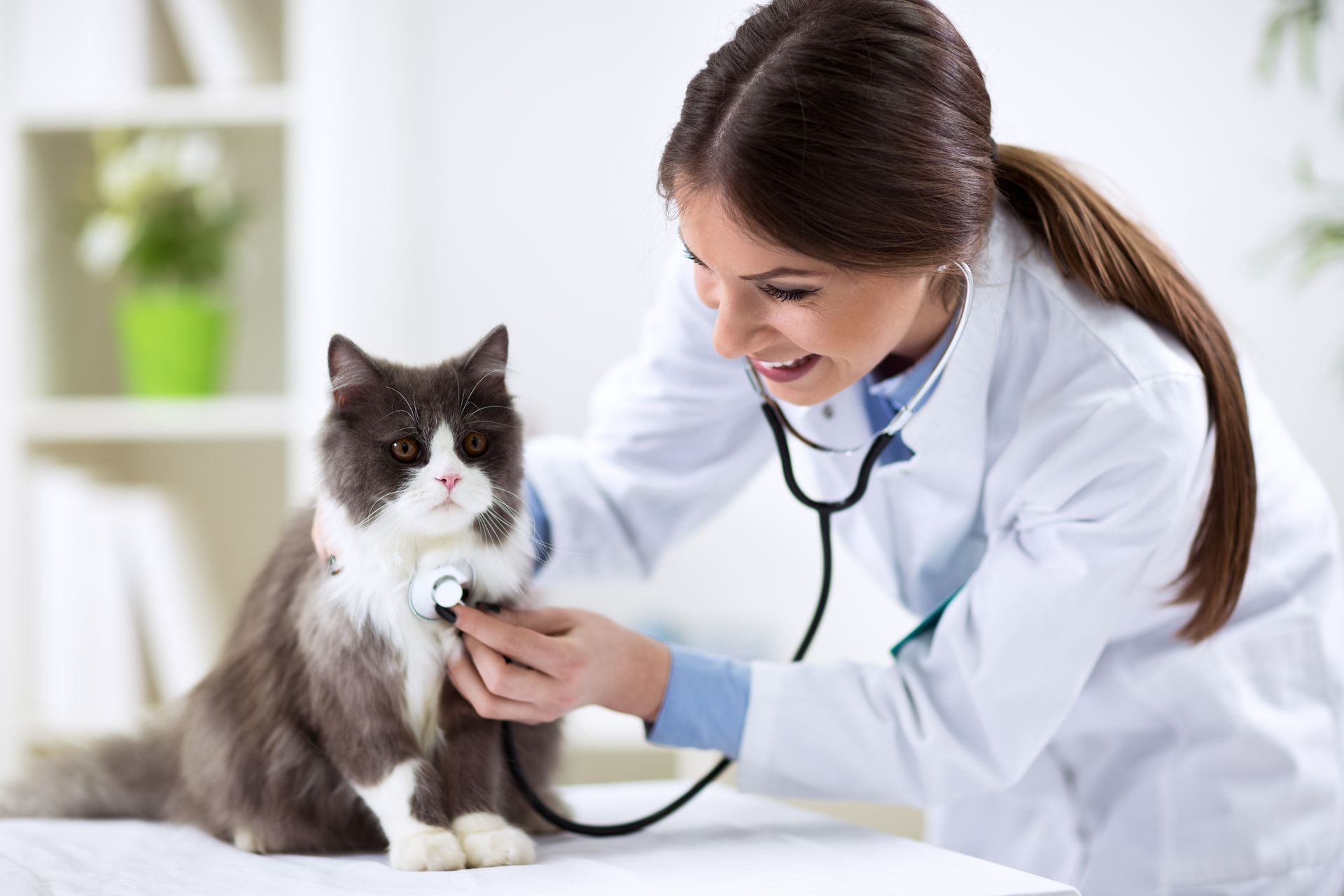
A visit starts with a careful look at how your cat moves and feels.
The doctor will ask about changes at home, then watch your cat walk and gently feel the joints. Digital imaging can show detail inside the joints and bones. Lab work can check overall health and make sure another condition is not behind the changes. Because older cats can have more than one problem, a full exam gives the clearest picture.
Treatment Options to Discuss
There is rarely a single answer, so care is often a mix of steps.
A cat veterinarian may recommend several options:
- Drug-free pain relief, such as companion laser therapy.
- Medicines chosen specifically for cats and guided by exam findings.
- Weight management to take stress off sore joints.
- Changes at home to make movement easier.
- Regular rechecks to see how your cat responds.
Never give your cat human pain medicine. Many of these drugs are toxic to cats, even in small amounts.
How Laser Therapy Fits In
Laser therapy is a drug-free option for cats managing joint pain.
A treatment uses focused light to help ease discomfort and support the tissues around a sore joint. It may help cats with arthritis or those recovering from procedures. Because it does not rely on medication, it can be a good fit for cats that are hard to medicate. Ask whether your cat is a good candidate, since results vary from cat to cat.
Easy Changes at Home
Small changes around the house can make a big difference.
- Use a litter box with a low side so your cat can step in easily.
- Place soft, warm bedding in spots your cat already likes.
- Add ramps or pet steps to reach beds, sofas, or windows.
- Keep food, water, and litter on the same floor where your cat spends most of its day.
- Brush your cat gently if grooming has become hard.
These steps cost little and can improve comfort right away.
Ongoing Care for Long-Term Conditions
Arthritis is usually a long-term condition, so regular follow-up matters.
Your cat veterinarian can adjust the plan as your cat's needs change. Structured monitoring helps catch other age-related problems, such as kidney or thyroid changes, before they become serious. A steady relationship with the same doctor also helps, since small changes are easier to spot when someone knows your cat well.
Questions to Ask Your Cat Veterinarian
Good questions help you understand the plan.
- Is my cat's stiffness caused by arthritis or something else?
- Which treatments fit my cat's age and health?
- Would laser therapy be a good option?
- What changes should I make at home?
- How often should my cat return for rechecks?
Write the answers down so you can follow the plan and share updates at the next visit. Clear communication helps your cat get the most from treatment.
When to Book a Visit
Do not wait if you notice lasting changes.
Make an appointment if your cat shows stiffness or avoids jumping for more than a few days. Call right away if your cat suddenly cannot walk, cries out in pain, or stops eating. Early care can keep your cat moving comfortably for longer.
Comfort Care for Senior Cats Near Carrollwood
Bearss Animal Hospital is a family-run practice at 16336 N. Florida Avenue in Lutz, FL, serving Carrollwood and nearby Tampa Bay communities. Dr. Antonio Flores, DVM, is certified in companion laser therapy through the American Institute of Medical Laser Applications. Call
813-961-1222 or
request an appointment online to talk about your senior cat's comfort.
Read more about
drug-free pain relief to see how laser therapy works.